Conducive and Engaging Learning Environment
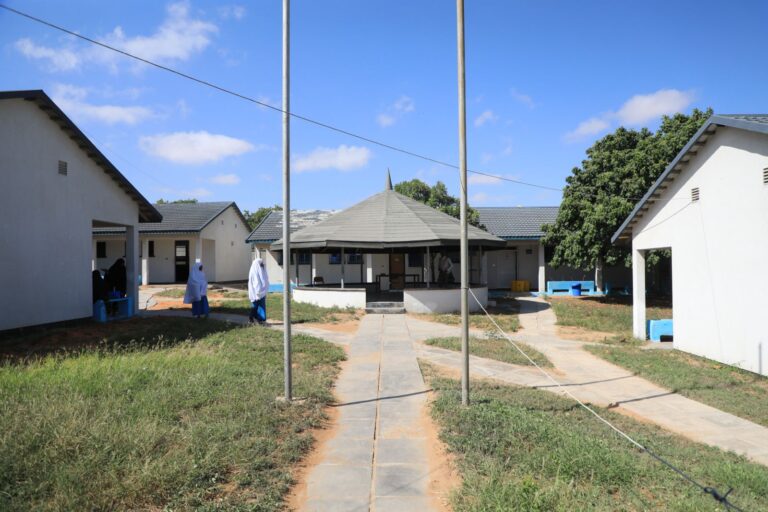
The University offers a peaceful, safe, and conducive learning environment designed to promote academic success and professional growth. The spacious campus provides students with a comfortable setting for learning, collaboration, and practical training. Its well-maintained buildings, open spaces, and organized facilities create an atmosphere that encourages concentration, creativity, and effective learning.
The college campus is carefully structured to support both academic and personal development. Students benefit from a calm environment that minimizes distractions while fostering interaction, teamwork, and knowledge sharing among peers and faculty. The availability of adequate learning spaces, practical training areas, and student support facilities ensures that learners can fully engage in their educational journey.
The green surroundings and open spaces contribute to a healthy and welcoming atmosphere, enhancing students’ overall learning experience. This suitable campus environment reflects the college’s commitment to providing quality health sciences education and preparing competent healthcare professionals capable of serving their communities effectively.
Competency-Based Curriculum Aligned with National Standards
The curriculum at SOS College of Health Sciences is carefully designed to provide students with a balanced combination of theoretical knowledge and hands-on practical experience. Through classroom instruction, laboratory practice, clinical placements, and community-based learning activities, students develop the competencies required to perform effectively in real healthcare settings.
The programs are aligned with Somalia’s national education and health training standards, ensuring that graduates possess the knowledge, skills, and professional attitudes expected of modern healthcare practitioners. At the same time, the curriculum incorporates internationally recognized best practices, enabling graduates to respond to both local healthcare challenges and global health priorities.
SOS College of Health Sciences adopts a competency-based approach to education, where student success is measured not only by examination results but also by the demonstrated ability to apply knowledge, perform clinical procedures safely, solve problems, communicate effectively, and provide quality patient-centered care. This approach ensures that graduates are confident, competent, and well-prepared to meet the evolving healthcare needs of individuals, families, and communities.
Qualified and Experienced Teaching Staff
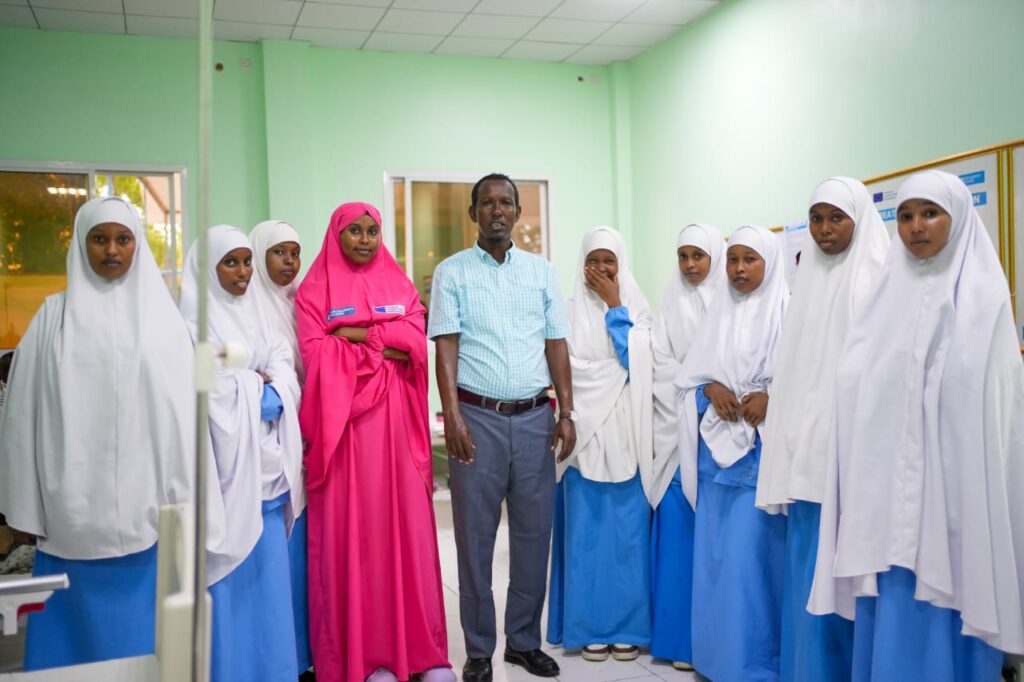
SOS College of Health Sciences University is supported by a dedicated team of experienced educators and healthcare professionals who bring both academic expertise and practical clinical experience to the learning environment. Beyond classroom teaching, faculty members mentor and guide students, helping them develop professional competence, ethical values, leadership skills, and a commitment to quality patient care. Their guidance ensures that graduates are well-prepared to meet the demands of modern healthcare practice.
Modern Instructional Media and Teaching Aids
SOS College of Health Sciences enhances learning through the use of modern instructional media and teaching aids, including digital learning platforms, multimedia presentations, projectors, simulation tools, and visual resources. These technologies make learning more interactive and engaging, helping students understand complex medical concepts while preparing them for technology-driven healthcare environments.
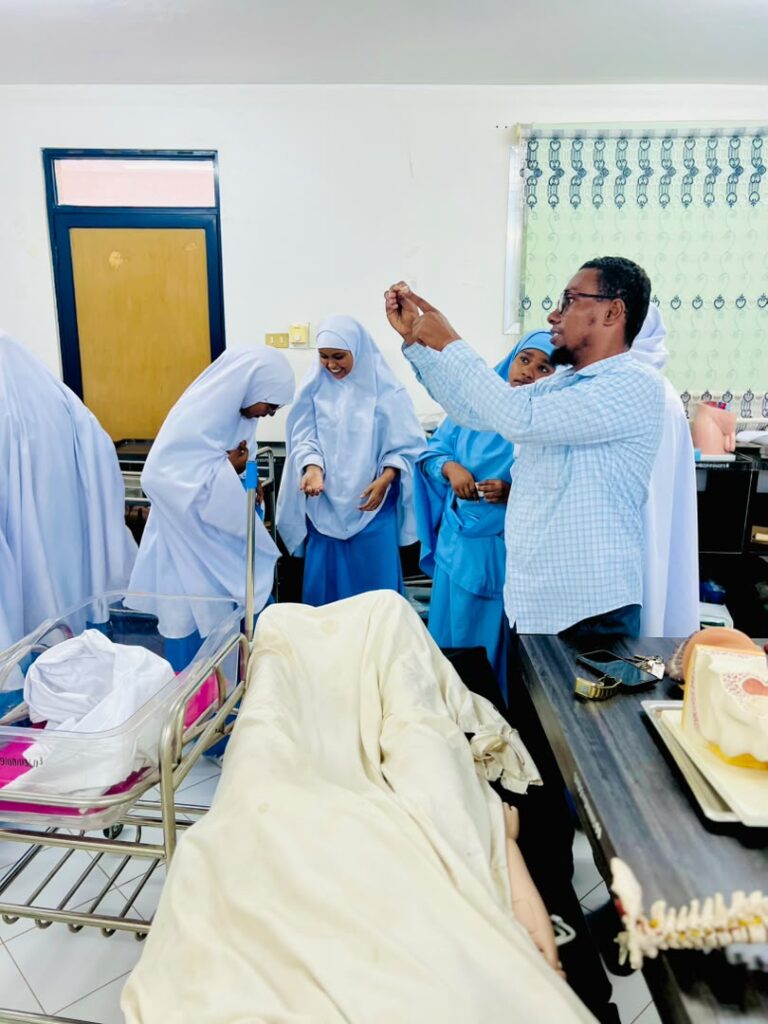
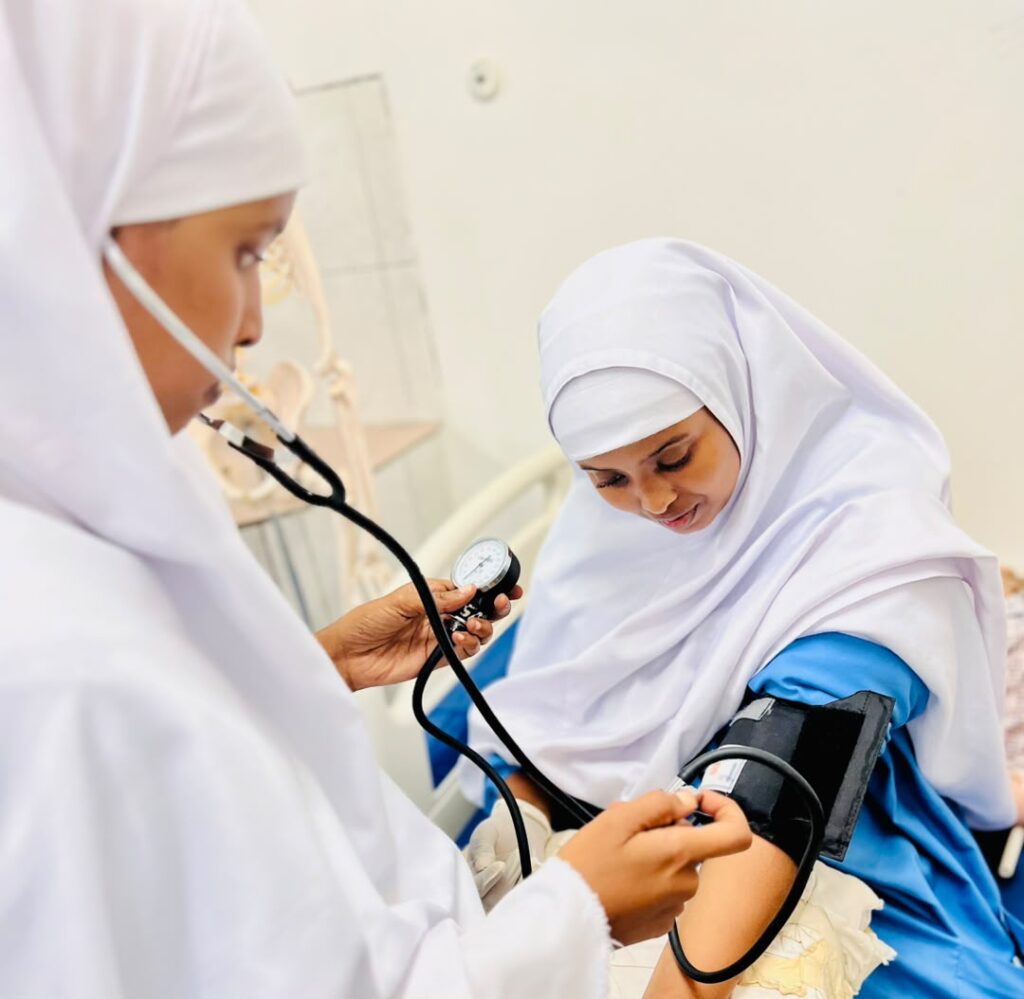
Simulation Lab for Clinical Practice
The Skills and Simulation Laboratory provides students with a safe and realistic environment to practice clinical procedures before working with real patients. Using simulation equipment, training models, and guided instruction, learners develop essential healthcare skills, clinical judgment, communication abilities, and professional confidence.The University places strong emphasis on simulation-based learning as a key component of health sciences education. By integrating hands-on practice with classroom instruction, the University ensures that students gain the competence, confidence, and professionalism required for quality patient care. This commitment to experiential learning enables students to refine their skills in a controlled setting, receive constructive feedback from instructors, and build readiness for real-world clinical environments.
Through this practical approach, students are well-prepared for clinical placements and future healthcare practice, supporting the University’s mission of producing skilled, compassionate, and competent healthcare professionals.
Access to Accredited Teaching Hospitals for Clinical Training
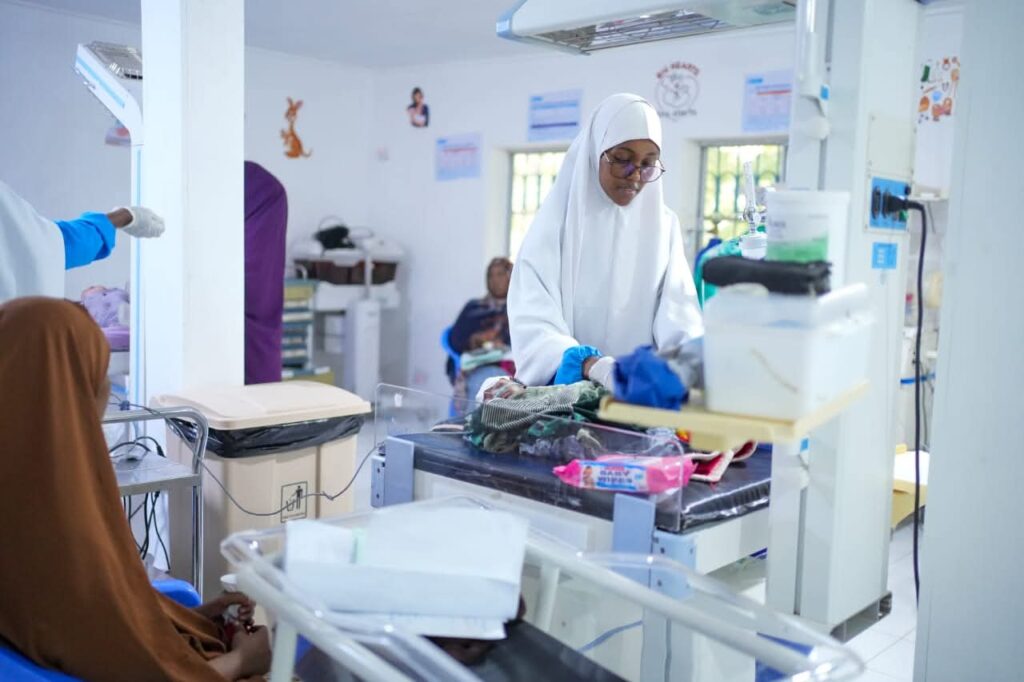
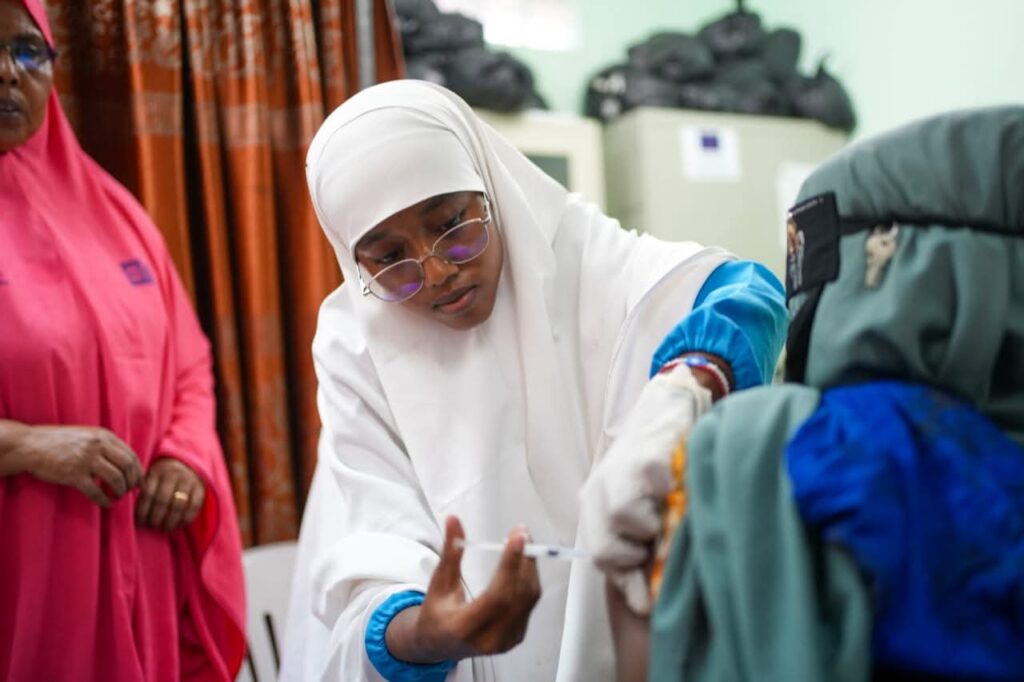
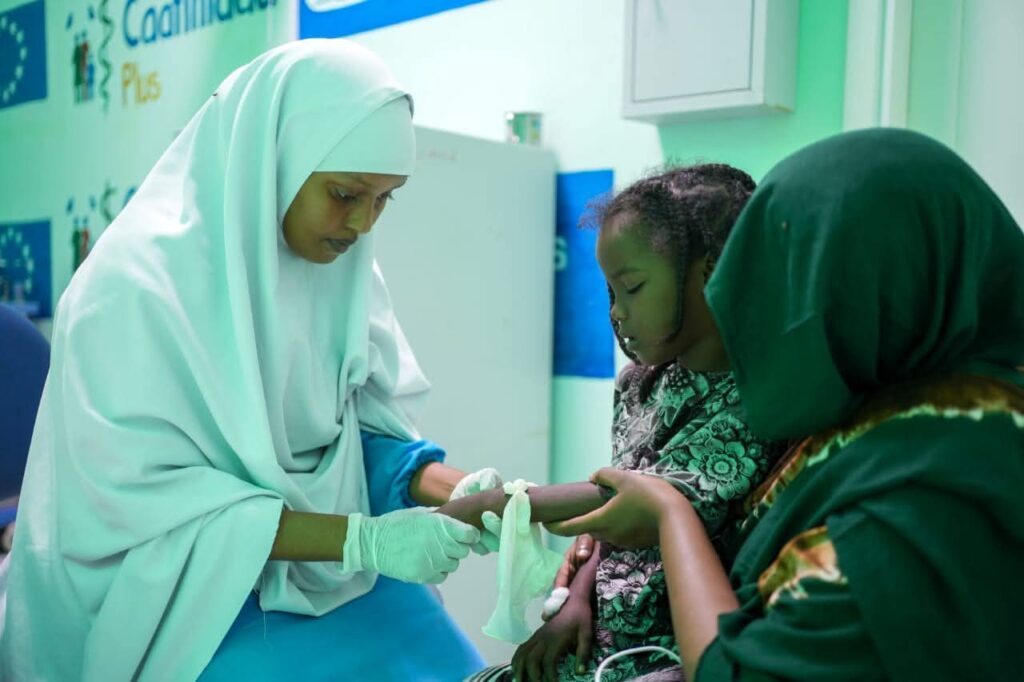
Access to accredited teaching hospitals and healthcare facilities provides students with invaluable opportunities to apply classroom knowledge in real clinical settings. Through structured clinical placements, learners are exposed to diverse healthcare environments where they interact with patients, observe healthcare professionals, and participate in the delivery of patient care under the supervision of qualified clinical instructors and experienced practitioners.
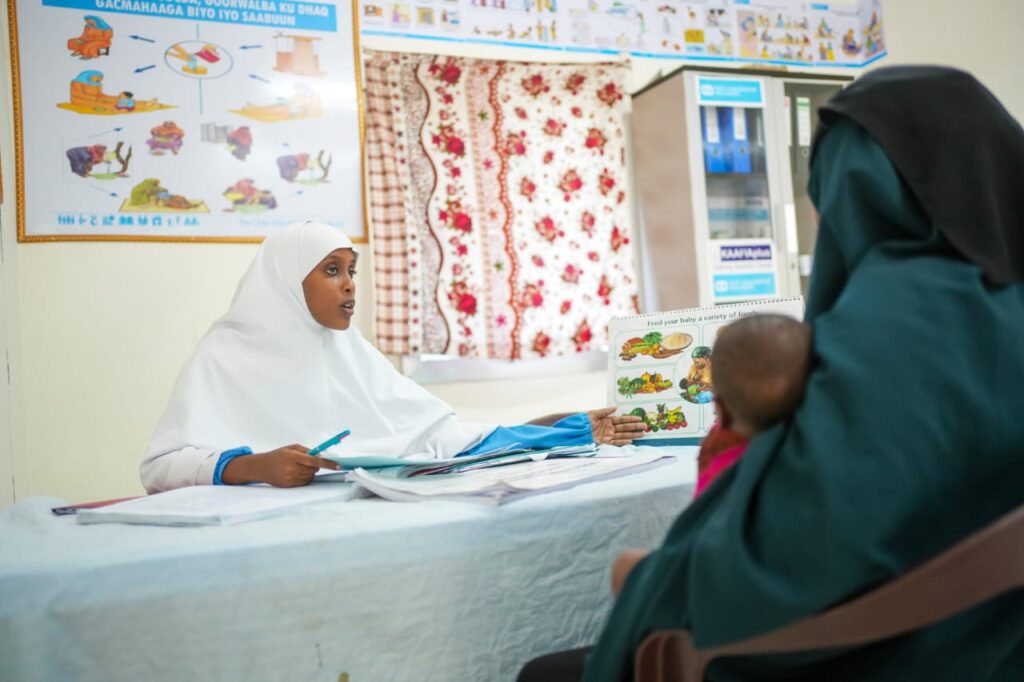
Clinical training enables students to develop essential competencies in patient assessment, diagnosis support, treatment procedures, communication, teamwork, and professional decision-making. By working alongside nurses, midwives, physicians, and other healthcare professionals, learners gain firsthand experience in managing a wide range of health conditions while adhering to professional standards, ethical principles, and patient safety requirements.
These supervised clinical rotations expose students to various departments and specialties, including medical and surgical wards, maternal and child health units, outpatient services, emergency care, and community health settings. Such experiences help students strengthen their technical skills, clinical judgment, critical thinking, and ability to respond effectively to real-world healthcare challenges.
The integration of academic learning with practical clinical experience bridges the gap between theory and practice, ensuring that graduates are confident, competent, and workforce-ready. Through continuous mentorship, hands-on learning, and exposure to actual healthcare environments, students develop the professional competence required to deliver safe, effective, and patient-centered care. This practical experience significantly enhances employability and prepares graduates to make meaningful contributions to healthcare systems at local, national, and international levels.
Continuous Competency-Based Assessments
Continuous competency-based assessments ensure that students develop essential knowledge, practical skills, and professional competencies throughout their training. Through regular evaluations, skills laboratory assessments, and supervised clinical placements in affiliated hospitals, learners are assessed on their ability to apply knowledge in real healthcare settings. Constructive feedback helps students strengthen areas requiring improvement, ensuring they graduate with the confidence and competence needed for professional healthcare practice.
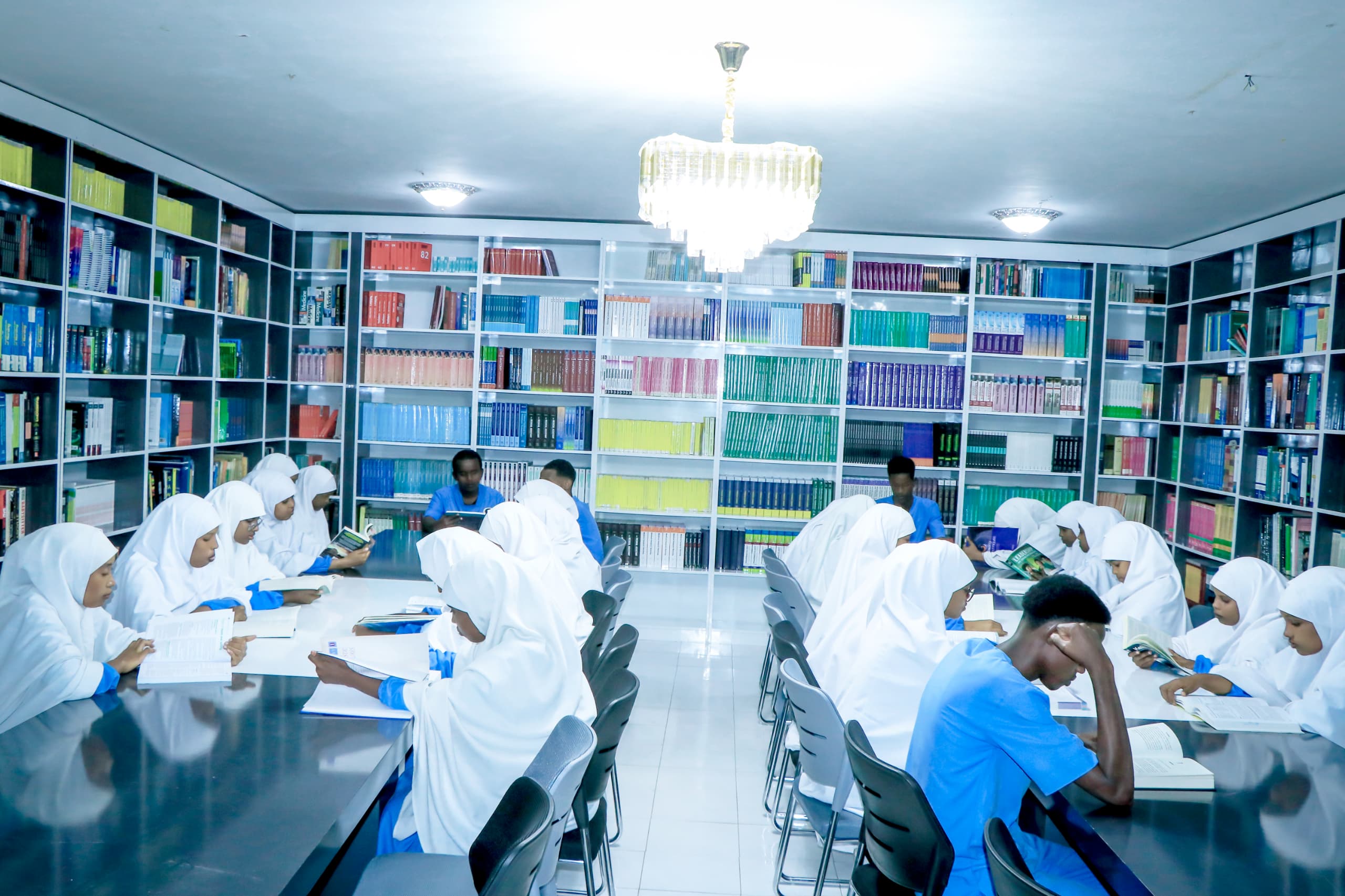
Library and Digital Learning Resources
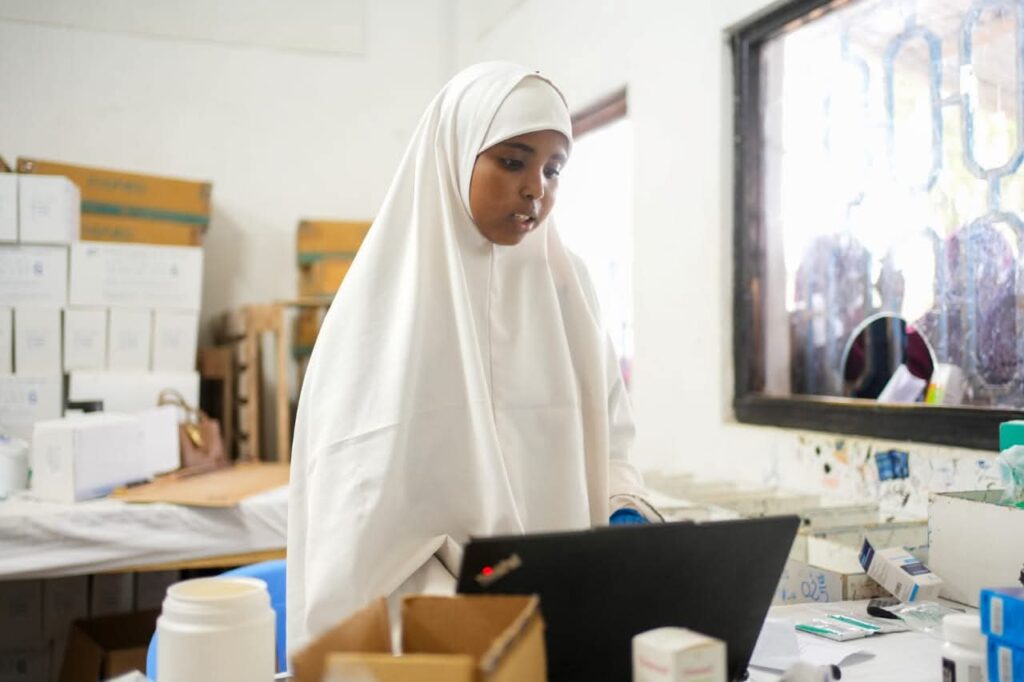
Access to comprehensive learning resources plays a vital role in supporting academic excellence and professional development. Well-equipped libraries provide students and faculty with a diverse collection of medical textbooks, reference materials, professional journals, research publications, and other educational resources that support teaching, learning, and scholarly inquiry across a wide range of health science disciplines.
Serving as a hub for independent learning and research, the library enables students to deepen their understanding of course content, complete assignments, conduct scientific investigations, and develop evidence-based practice skills. These resources encourage a culture of reading, critical thinking, intellectual curiosity, and lifelong learning.
Beyond traditional print collections, learners benefit from access to digital learning materials, electronic journals, and online medical databases that extend educational opportunities beyond the classroom. These resources allow students to explore current scientific evidence, emerging healthcare innovations, and international best practices in medicine, nursing, midwifery, public health, and related fields.
The integration of library services with digital information technologies ensures that students remain informed about advances in healthcare, research discoveries, and professional developments. Access to reliable and up-to-date information strengthens academic performance, supports research activities, and prepares graduates to deliver evidence-based, high-quality healthcare in an increasingly dynamic and technology-driven world.